Special Report
Drink THIS Every Morning — Watch What Happens To Your Blood Pressure and Your Belly
“For years I blamed my diet… but it turns out something deeper was quietly working against my body.”

What Almost No One Explains About Unstable Blood Pressure
For years, people have been told that blood pressure problems are mainly caused by salt, stress, or getting older. But for many, that explanation doesn’t fully match what they experience.
After all, how can pressure remain difficult to control even when someone eats better, follows medical advice, or tries to reduce stress?
What’s often overlooked is that blood pressure doesn’t rise on its own. It reacts to what’s happening internally.
In many people, the body enters a silent metabolic imbalance that affects how blood vessels respond throughout the day.
This process usually develops gradually. It doesn’t cause obvious pain, and it doesn’t always show up clearly on routine exams. But over time, it can make the circulatory system far more reactive than it should be.
That’s why pressure can spike without a clear reason, fluctuate unexpectedly, or refuse to stabilize long term.
We refer to this internal shift as a Silent Metabolic Imbalance — not a disease, but a hidden process that often goes unnoticed for years.
Once you understand this hidden mechanism, supporting the body from the inside — instead of just reacting to symptoms — starts to make a lot more sense.
Why “Doing Everything Right” Still Doesn’t Work for Many People
If you’ve cut salt, tried to eat better, and stayed consistent… but your numbers still spike — you’re not alone. Many people are told it’s only about willpower, aging, or “bad genetics.”
But emerging research suggests blood flow plays a much larger role in blood pressure regulation than most people realize. When circulation becomes restricted, the body compensates — often increasing pressure and holding onto excess energy more easily.
The Part Nobody Explains (And Why It Changes Everything)
For years, I blamed my diet. I blamed my lack of discipline. I even blamed my age. But what I didn’t realize was that my body wasn’t “broken” — it was under constant internal strain.
What helped wasn’t a crash diet or a brutal workout plan. It was a simple, plant-based morning ritual designed to gently support healthy circulation — something I could actually stick to.
What People Are Saying

“I felt calmer and more steady… and I stopped feeling ‘on edge’ all the time.”

“Nothing extreme. Just a simple morning habit I could actually stick to.”
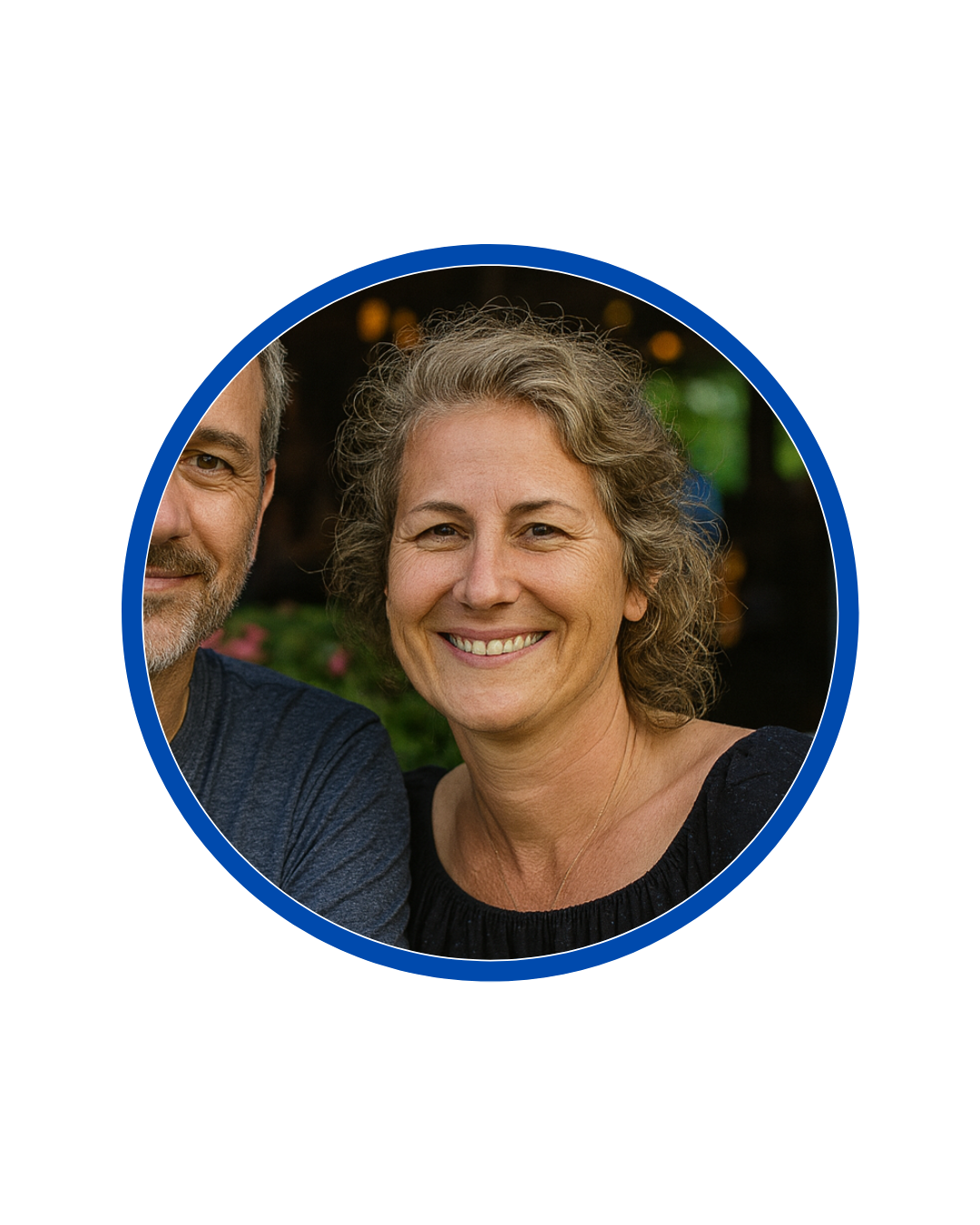
“The first thing I noticed was I felt more relaxed… then my routines got easier.”

“It didn’t feel like another program… it felt doable. That’s why I kept going.”
Why this approach is getting scientific attention
Over the last few years, researchers have increasingly discussed how internal metabolic processes can influence circulation and blood pressure regulation — often long before obvious symptoms appear.
This perspective is not based on a single opinion, but on findings and discussions published across respected scientific and medical platforms.
Concepts related to circulation, vascular response, and metabolic balance have been studied and documented in dozens of peer-reviewed publications, helping explain why supporting the body internally can make a meaningful difference.
Information connected to these mechanisms has appeared in well-known medical and scientific references, including organizations and databases used worldwide by health professionals and researchers.




These references are provided for educational purposes only and reflect general research discussions around circulation and metabolic health. This presentation does not claim to diagnose, treat, or cure any medical condition.
FAQ – Questions People Often Ask Before Watching
1. What causes my numbers to rise even when I feel “normal”?
Many people are surprised to see elevated readings even when they don’t feel anything dramatic happening. That’s because many changes begin internally, long before the body sends obvious warning signs.
In the video, the expert explains how certain internal imbalances discussed in recent research may quietly make the body more sensitive to everyday tension, which helps explain why numbers can climb even on calm, “normal” days.
The goal of the video is to help you finally understand why fluctuations can happen even when life feels stable.
2. Are sudden pressure spikes just part of getting older?
Not necessarily. While age can play a role, sudden and repeated spikes are not something to simply ignore or attribute only to getting older.
The video explains how these fluctuations may be a sign that circulation has become more reactive over time, especially when certain internal factors are left unaddressed.
If you’ve noticed more “up and down” days recently, this explanation often resonates.
3. If I eat well and try to be healthy, why do I still struggle?
This is one of the most common questions people over 40 ask: “I’m doing everything right — so why are my readings still unpredictable?”
Healthy habits like eating better, walking regularly, and following medical guidance are important. However, as explained in the video, they may not fully address deeper internal triggers that influence how the body responds day to day.
That’s why many people feel frustrated despite doing their best.
4. Why are so many people searching for how to lower blood pressure naturally?
Many people reach a point where they feel frustrated following all the usual advice and still experiencing unpredictable readings.
Searches like how to lower blood pressure naturally often reflect a desire to better understand what’s happening inside the body — not to replace doctors, but to feel more informed and in control.
The video focuses on education and awareness, helping viewers understand internal patterns discussed in recent research.
5. Do natural or home remedies for blood pressure actually make sense?
Many people explore natural remedies for high blood pressure or home remedies for blood pressure because they’re looking for simple, non-invasive ways to support overall well-being.
The video does not claim to treat or cure any condition. Instead, it explains how certain daily habits and traditional routines may help support a calmer internal environment.
It’s meant to provide understanding and clarity, not to replace professional medical care.
6. How can a simple Costa Rican–inspired ritual help with these concerns?
The ritual shared in the video is not a replacement for medical treatment. It is a gentle, natural habit inspired by traditional practices from a region of Costa Rica.
Rather than focusing on extreme diets, intense exercise, or strict restrictions, the approach is designed to support internal balance and a sense of calm throughout the day.
The video explains how this works step by step, so you can decide if it aligns with your routine.
7. Is this video a medical consultation or treatment?
No. This is an educational video designed to help people understand common patterns and sensations many experience over time.
It is intended to provide clarity and insights you can discuss with your own healthcare professional, not to replace professional medical advice.